All Categories
Featured
Table of Contents
These platforms support modern-day architectures like microservices and serverless computing, making it possible for enterprises to.
These tools use, making them a favored choice for enterprises aiming to update their applications while keeping dexterity. Architectural observability tools, such as vFunction, are important for updating tradition business applications by providing exposure into their intricate structures and dependences. As these systems age, they end up being harder to handle and upgrade without threat.
This helps teams move fast to prioritize which components to modularize and upgrade. Discover more, see: Monoliths to Microservices DevOps practices and tools, such as Jenkins, GitLab, and Ansible, help with constant combination and continuous implementation (CI/CD), which is vital for accelerating modernization. By automating implementation pipelines and improving partnership in between advancement and operations groups, DevOps tools help make sure much faster, more reputable software application delivery.
AI-driven functions, such as, add considerable worth, enabling enterprises to optimize operations and deliver customized customer experiences. Choosing the right mix of these tools is critical to the success of your enterprise application modernization efforts, ensuring that your legacy applications are not only updated but also optimized for future growth and innovation.
Legacy systems often include out-of-date innovations and architectures, making them challenging to comprehend and update. Common mistakes throughout migration consist of mismatched data formats and incomplete information transfers, which can be prevented with careful preparation and screening. Modernization jobs frequently involve several stakeholders with varying top priorities and goals.
Effective interaction and collaborative decision-making procedures are essential to aligning stakeholder objectives with the general modernization technique. Modernization effects not just innovation however likewise organizational culture and workflows. It's essential to manage the of this transition, resolving resistance to change and ensuring smooth functional shifts. Strategies for managing these modifications consist of clear communication, training programs, and phased rollouts to minimize interruption and motivate adoption.
As business start modernization projects, it's important to not only concentrate on existing requirements however also to keep an eye on emerging trends that will shape the future of business applications. Remaining ahead of these trends can assist companies in the future. Expert System (AI) is poised to significantly influence the future of enterprise applications.
Determining the Qualitative Gains of Generative AI Application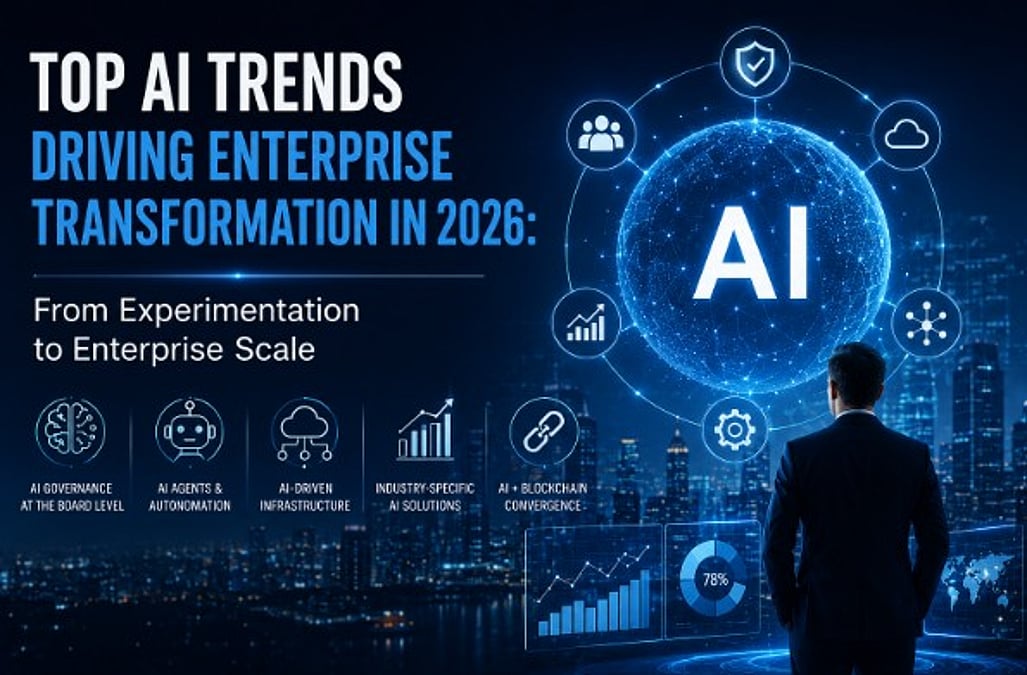
Mastering the 2026 Landscape of Digital Convergence
In modernized applications, huge data tools and innovations drive innovation and assistance data-driven decision-making. Enterprises that take advantage of huge data successfully can unlock brand-new chances for growth and performance.
Nevertheless, integrating IoT into up-to-date systems presents challenges, such as managing the complexity of information streams and making sure security across linked gadgets. The shift towards a cloud-first method is becoming increasingly common in business application development. Focusing on cloud options provides scalability, versatility, and cost efficiency. Nevertheless, embracing a cloud-first method for software application advancement also presents challenges, consisting of data migration, security concerns, and handling cloud costs.
A mobile-first design technique concentrates on producing applications that provide a seamless user experience on mobile phones and tablets. It is significantly vital to support a mobile labor force and engage consumers on their chosen devices. By comprehending and welcoming these patterns, business can better position themselves for future success, guaranteeing that their applications stay appropriate and effective in an ever-evolving digital landscape.
Why Transformative Cloud Solutions Power Digital Growth
Through its AI-driven architectural observability platform, vFunction immediately reverse-engineers monolithic applications, producing a detailed map of the architecture. This process helps you comprehend the complexity of your tradition systems, determining the interdependencies and prospective traffic jams that might hinder modernization efforts. This extensive introduction is essential for making informed choices on where to focus modernization efforts for optimal effect.
The tool's ability to produce actionable insights with aligned tasks and prioritize them by service efforts allows enterprises to tackle the most critical components for app modernization jobs initially, guaranteeing that the transformation lines up with the company's strategic priorities. By leveraging vFunction, companies can attain a smoother transition, reducing downtime and avoiding the typical risks related to complex legacy application modernization jobs.
Business application modernization is; it's an ongoing strategic necessity in today's fast-evolving digital landscape. By continuously updating tradition systems, enterprises can open new levels of agility, improved security, and efficiency. This digital improvement likewise enables companies to better meet customer demands, adapt to market modifications, and profit from emerging technologies such as AI and cloud computing.
To explore how vFunction can assist you with pragmatically performing your modernization method, call our group today. Execute your modernization technique with vFunction.
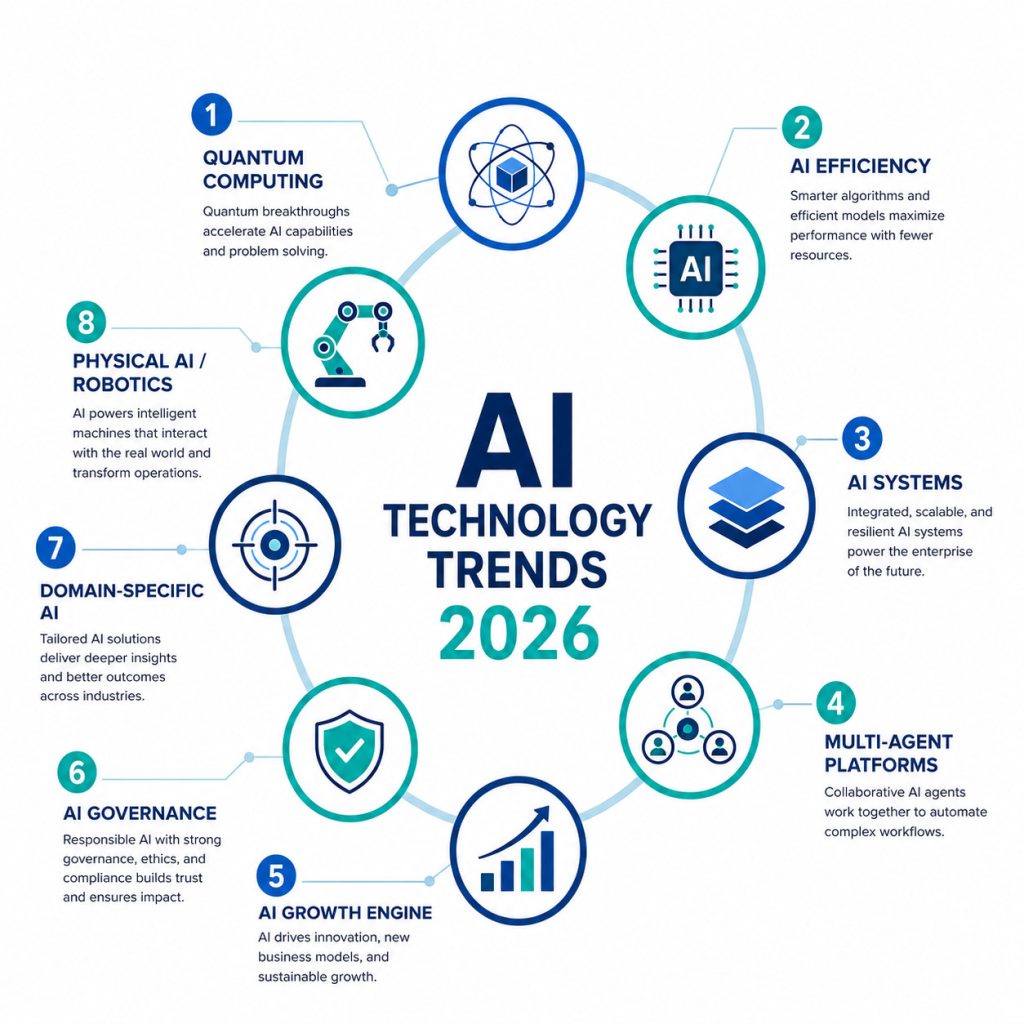
Many businesses are planning to modernize their IT in 2025. To answer these concerns, TierPoint surveyed 400 IT leaders to discover modernization trends affecting key decision-making.
Navigating the 2026 Landscape of AI-Cloud Convergence
Download the eBook to discover 5 IT modernization patterns that can assist you guide your digital transformation. The Leading Modernization Concern for Organizations The Modernization Initiatives increasing The Greatest Modernization Difficulty for Organizations.
Technology portfolio modernization and justification is the top DX difficulty for CIOs today. IT companies require to produce an IT modernization and justification strategy that lines up with their general DX method. Based on IDC's research study, 83% of business are justifying their technology facilities; nevertheless, only 35% report that their method to rationalization is reliable.
Secret is developing a balance between legacy and contemporary approaches in a continuous change procedure for IT, given that couple of companies can remove all existing systems and start fresh. Peer advice and considerations for roles and processes, operation plans, data services, system construct paradigms and infrastructure innovations are consisted of.
The ROI Formula: Stabilizing Cloud Expenses and AI EfficiencyWhy Enterprise Modernization Secures the Digital Estate
IDC believes that from a practical and company viewpoint, modernization and rationalization allow IT to provide ingenious digital transformation items and competitive IT services at maximum cost. To better accomplish economic and company advantages, CIOs need to concentrate on modernization, not just justification. To undergo the modernization of your facilities for the digital business, the organization needs to take the following actions: Establish the metrics that measure the effectiveness of your facilities modernization program Establish a constant procedure for IT infrastructure modernization Update IT infrastructure using newer "construct and deploy" paradigms Reinvent talent and procedures to lower threat and accelerate the advancement and deployment of company applications Transform IT governance and operations.

Latest Posts
How Transformative Cloud Solutions Drive Modern Growth
Harnessing the Full AI and Cloud Transformation
Maximizing Enterprise Efficiency Through Modern Modernization