All Categories
Featured
Table of Contents
Enterprise application modernization describes upgrading and maintaining tradition systems to take advantage of modern innovations and architectures. This is vital in today's organization environment, where to preserving an one-upmanship. Through legacy modernization, companies can improve operational effectiveness, improve customer experiences, and ensure compliance with market standards. Enterprise application modernization (EAM) involves re-engineering, re-architecting, or otherwise changing legacy systems to incorporate with contemporary IT environments.
Unlike regular software application updates, which focus on minor enhancements and spots, EAM includes, often resulting in a more nimble, scalable, and future-proof system. Standard updates are reactive, resolving immediate needs, while modernization is proactive, making sure long-lasting system viability. NewsvFunction joins AWS ISV Work Migration Program For business, application modernization is not simply an optionit's a requirement.

Updating these systems enables business to enhance scalability, enhance security, and, ensuring they remain in a rapidly evolving market. A global monetary institution just recently improved its core banking system, resulting in a 15% to 20% increase in customer fulfillment. This shows the concrete benefits that modernization can provide, driving both operational effectiveness and customer engagement.
Here's a better look at the advantages that modernization brings to massive organizations. Business application modernization significantly improves the speed and efficiency of service processes.
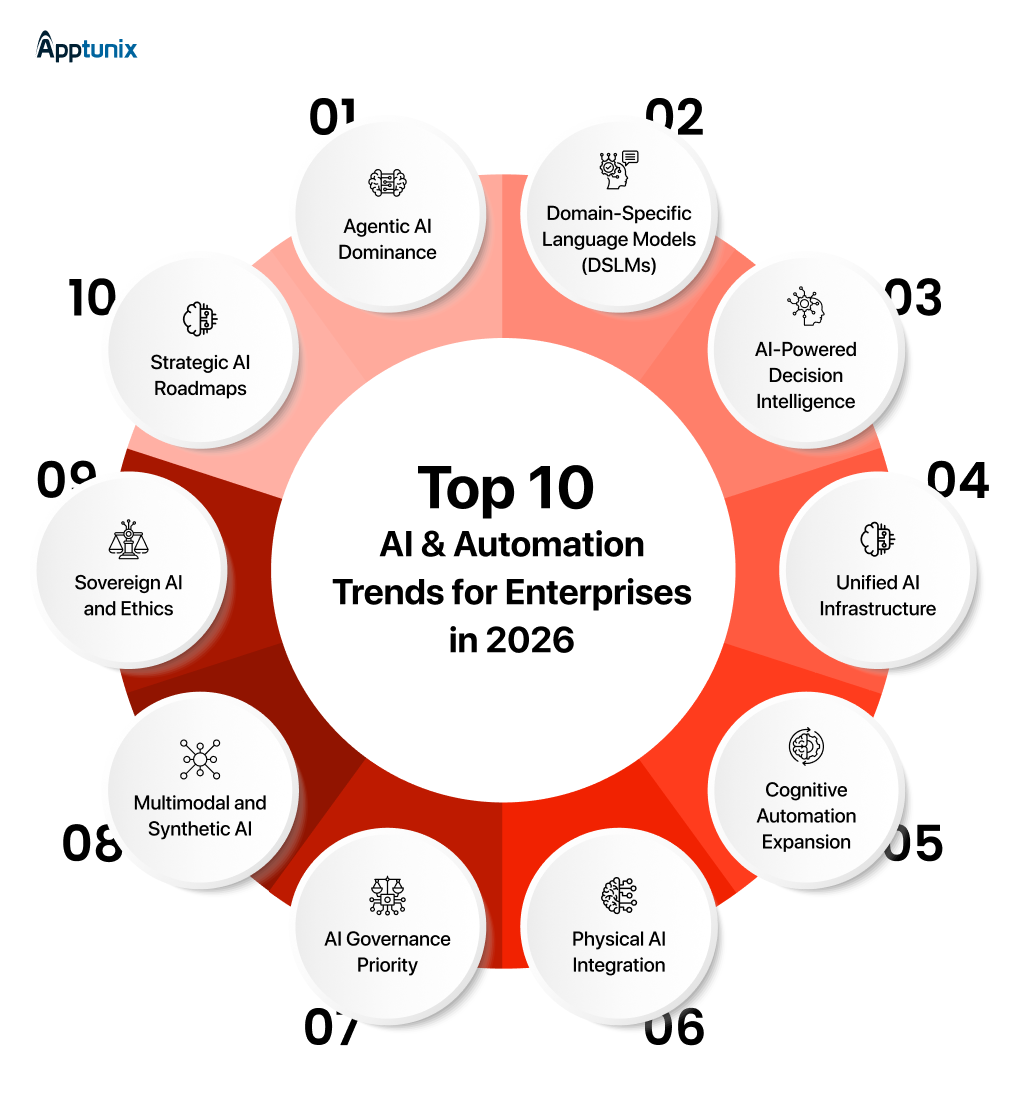
Will Your Organization Prepared for the 2026 Transition?
With enhanced analytics, services can determine trends, optimize processes, and anticipate client requires more accurately, driving better outcomes. Up-to-date enterprise applications frequently consist of and structured reporting functions.
One of the most concrete benefits of enterprise application modernization is the reduction in operational costs. Organizations can attain by optimizing resource usage and automating regular jobs. Furthermore, up-to-date systems typically require less maintenance and are more resistant, causing lower maintenance costs, fewer disturbances, and more expense reductions gradually.
This not just increases customer fulfillment but.Enterprises that focus on modernization in customer-facing applications can anticipate to see greater engagement and commitment, equating into better organization efficiency. Finally, in business application modernization, the developer experience is becoming as criticalif not more sothan the client experience. Designers are constructing, maintaining, and progressing the software that serves customers, so their capability to work efficiently is critical.
Navigating the 2026 Landscape of AI-Cloud Convergence
Concentrating on optimizing developer workflows, minimizing ineffectiveness, and guaranteeing alignment between developers and management directly boosts modernization efforts and keeps talent engaged and efficient. In this context, improving developer experience ends up being a key driver of effective transformation. "A great deal of our time is invested in maintenance and bug repairing compared to feature advancement.
Given the increasing requirement for modernization, many business have successfully navigated the app modernization process using distinct methods. These methods guarantee that enterprises can modernize their applications effectively while preserving thoroughness and precision. Many companies successfully modernize their applications by adopting among numerous well-defined strategies. a.k.a. "lift and shift", moves applications to a new environment with very little code changes, while shifts them to a more modern-day platform, enabling access to more recent innovations without a complete overhaul.
an out-of-date system with a new service is often selected when the expense of keeping the legacy application exceeds the advantages. These methods help guarantee effective modernization while maintaining system stability and accuracy. Even with a distinct technique, the intricacy of enterprise application modernization can result in inefficiencies if not thoroughly managed.
Essential Modernization Trends for 2026
Thorough assessment and goal-setting are foundational to an effective modernization task. You require to figure out what reasons lie behind the modernization efforts, whether it be: Cost cost savings Decreasing churn Increased stability Increased ability to innovate Enhanced developer experience Or perhaps something totally different.
Guaranteeing that all pertinent stakeholders are included from the start is important. Constant communication and feedback loops throughout the project not only help in aligning expectations however likewise because emerge. This collaborative method cultivates a sense of ownership and commitment amongst all celebrations included. Picking the ideal technologies is central to the success of any modernization effort.
Effective technology adoption can substantially enhance the total modernization outcome, as demonstrated by business that thoroughly line up innovation options with their service objectives. One of the main challenges in enterprise application modernization is maintaining business connection. Strategies to minimize functional disruption consist of phased rollouts, thorough screening, and clear interaction strategies.

Latest Posts
How Transformative Cloud Solutions Drive Modern Growth
Harnessing the Full AI and Cloud Transformation
Maximizing Enterprise Efficiency Through Modern Modernization