All Categories
Featured
Table of Contents
The tool's capability to produce actionable insights with lined up tasks and prioritize them by organization efforts permits business to deal with the most crucial elements for app modernization tasks initially, guaranteeing that the improvement lines up with the organization's tactical priorities. By leveraging vFunction, organizations can attain a smoother shift, reducing downtime and preventing the typical mistakes connected with complex legacy application modernization jobs.
Business application modernization is; it's an ongoing tactical requirement in today's fast-evolving digital landscape. By constantly improving tradition systems, enterprises can unlock brand-new levels of dexterity, enhanced security, and effectiveness. This digital transformation also permits companies to much better meet client demands, adapt to market changes, and capitalize on emerging technologies such as AI and cloud computing.
To explore how vFunction can help you with pragmatically executing your modernization technique, call our group today. Perform your modernization method with vFunction.
Numerous companies are preparing to modernize their IT in 2025. What exactly is motivating organizations to update? And if you are among these services, which area of your IT facilities should you prioritize? To respond to these concerns, TierPoint surveyed 400 IT leaders to discover modernization patterns affecting essential decision-making.
Download the eBook to find 5 IT modernization patterns that can help you guide your digital transformation. The Top Modernization Priority for Companies The Modernization Efforts increasing The Greatest Modernization Difficulty for Services.
Driving Business ROI With Cloud Modernization
Innovation portfolio modernization and rationalization is the number one DX difficulty for CIOs today. IT organizations need to develop an IT modernization and rationalization plan that aligns with their general DX method. Based upon IDC's research study, 83% of enterprises are justifying their technology facilities; however, just 35% report that their method to rationalization is efficient.
Secret is establishing a balance in between legacy and contemporary methods in a continuous change process for IT, offered that few companies can remove all existing systems and start fresh. Peer recommendations and considerations for roles and procedures, operation strategies, data services, system develop paradigms and infrastructure technologies are consisted of.
IDC thinks that from a practical and organization point of view, modernization and justification enable IT to deliver ingenious digital transformation products and competitive IT services at optimal expense. To much better achieve financial and service advantages, CIOs require to focus on modernization, not just justification. To undergo the modernization of your infrastructure for the digital business, the organization requires to take the following steps: Develop the metrics that measure the efficiency of your facilities modernization program Develop a continuous procedure for IT facilities modernization Improve IT infrastructure utilizing more recent "build and deploy" paradigms Reinvent skill and processes to decrease threat and accelerate the development and deployment of company applications Change IT governance and operations.
Enterprise software application advancement is the development of special software that will be aimed at fixing company problems or streamlining its work. As a rule, for big companies, such software shares particular tools and techniques to match exact service activity.
Financial Accounting accurate reporting, compliance support, and realtime visibility into budgets. Organization Analytics datadriven insights for much better decisionmaking. In short, business details advancement transforms separated workflows into a linked, intelligent community that promotes growth, compliance, and development.
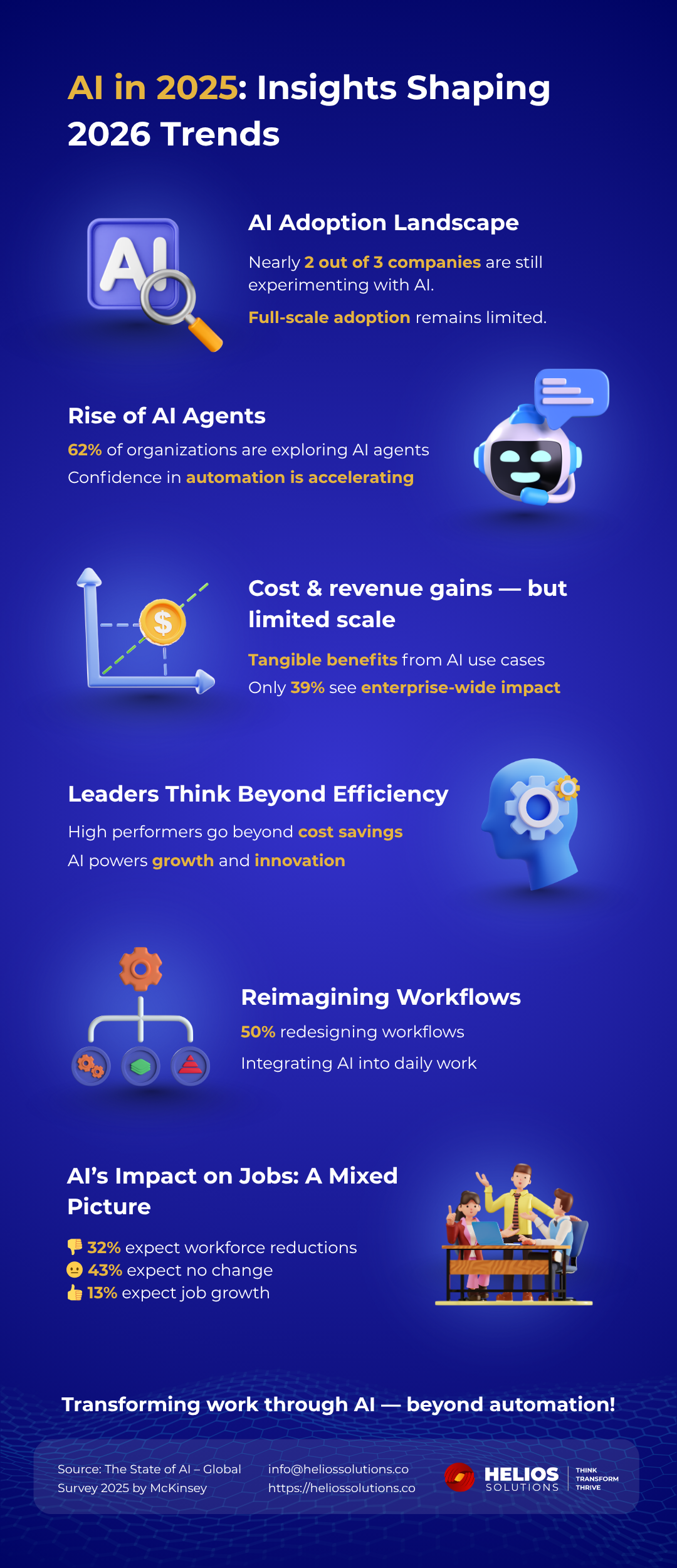
AI-Driven and Legacy Ecosystems Compared
Businesses with updated enterprise software experience the following benefits: Increased Performance and Performance. Automation releases up personnel for core activities and decreases human mistakes to a minimum. Enhanced Data Security and Compliance. Modern, cloud-native applications excel at information security, with improved security procedures and built-in regulative compliance. Scalability and Flexibility.
Enhanced Decision-Making. Advanced data analytics, often integrated with AI forecasts and enhancements, enable quicker and more precise organization choices. Expense Optimization and Modification. Low-code platforms allow custom, customized services that enhance the expenditure. Future-Proofing Operations. Organizations stay resistant and future-proof. For that reason, to stay up to date with the times, streamline the work procedure, and manage the development of the business, unique business applications are required.
Our synthetic intelligence is progressing from a state where it can only perform jobs to one where it can reason, strategy, and act according to specific rules. This sort of system does more than merely follow rules; it likewise assesses context, picks actions, and coordinates processes throughout systems, all while keeping people notified.
Business software advancement is the creation of distinct software that will be intended at fixing organization problems or streamlining its work. As a rule, for big companies, such software application shares specific tools and methods to fit exact company activity.
Financial Accounting accurate reporting, compliance support, and realtime visibility into spending plans. Worker Management effective HR workflows, talent tracking, and efficiency monitoring. Business Analytics datadriven insights for much better decisionmaking. Sales Management improved pipeline visibility, customer relationship management, and forecasting. Production Control enhanced production planning, quality control, and resource usage. Simply put, corporate information development changes isolated workflows into a linked, intelligent community that cultivates growth, compliance, and innovation.
Maximizing the Strategic AI and Cloud Convergence
Services with updated enterprise software application experience the following advantages: Increased Efficiency and Performance. Modern, cloud-native applications stand out at information protection, with enhanced security procedures and integrated regulative compliance.
Enhanced Decision-Making. Advanced information analytics, frequently incorporated with AI forecasts and augmentations, enable quicker and more precise business decisions. Expense Optimization and Modification. Low-code platforms enable custom, tailored options that enhance the expenditure. Future-Proofing Operations. Organizations stay durable and future-proof. For that reason, to keep up with the times, streamline the work process, and manage the development of the enterprise, unique business applications are required.
Our expert system is progressing from a state where it can just perform jobs to one where it can reason, strategy, and act according to certain guidelines. This kind of system does more than merely follow guidelines; it likewise evaluates context, chooses actions, and coordinates processes across systems, all while keeping people informed.

Latest Posts
How Transformative Cloud Solutions Drive Modern Growth
Harnessing the Full AI and Cloud Transformation
Maximizing Enterprise Efficiency Through Modern Modernization